Charting the Interplay Between Payment Security Protocols and Jackpot Slot Accessibility Under Austria's Evolving Licensing Rules
Geschrieben von Taylor Baumann · 3.11.2026
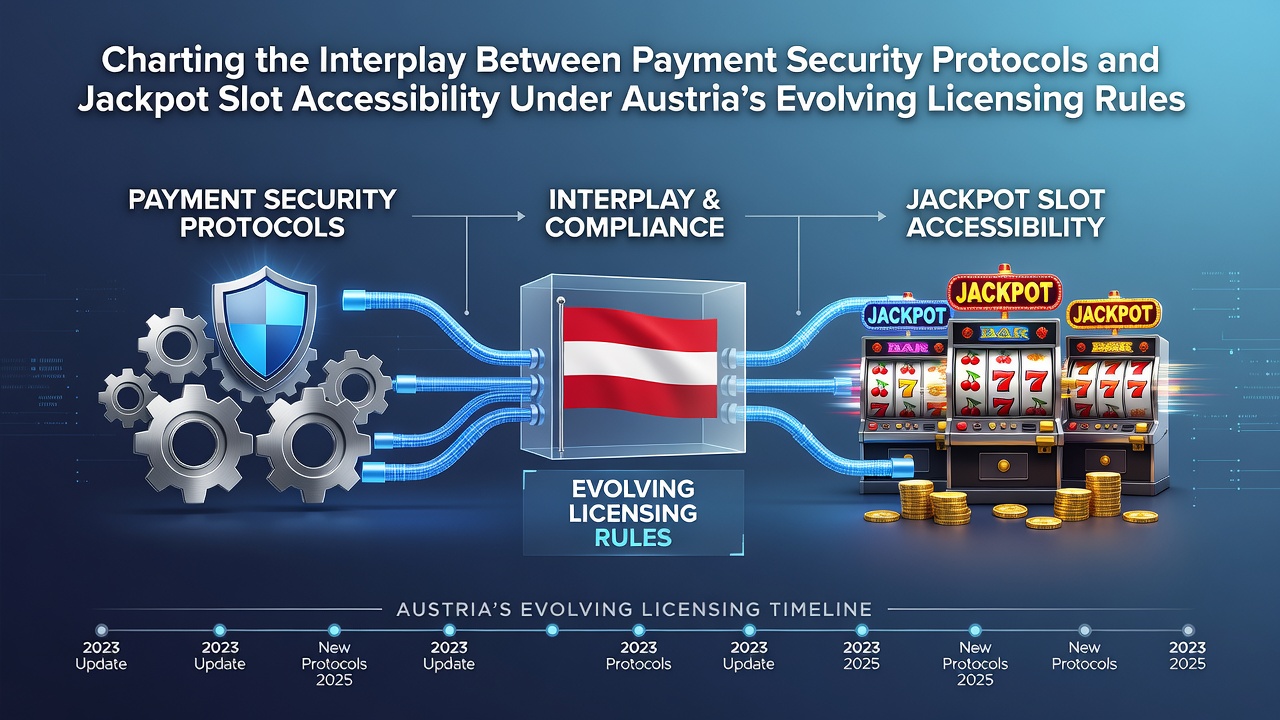
Charting the Interplay Between Payment Security Protocols and Jackpot Slot Accessibility Under Austria's Evolving Licensing Rules
Austria's licensing framework continues to shape how payment security protocols connect with jackpot slot accessibility, and operators must navigate these connections as rules develop through 2026. The Glücksspielgesetz sets baseline requirements for licensed platforms, which means security measures such as encryption standards and transaction verification directly influence which jackpot titles players can reach on regulated sites. Data from the Austrian Federal Ministry of Finance shows that compliance checks in the first half of 2026 focused on real-time authentication layers that protect both deposits and progressive jackpot pools.
Security Requirements Tied to Jackpot Availability
Licensed operators in Austria apply multi-factor authentication and tokenization to every payment flow before users gain entry to jackpot slots, and this linkage stems from updates that took effect in late 2025. Research from the European Gaming and Betting Association indicates that platforms using these protocols report fewer interruptions in jackpot contributions because transaction data remains isolated from game servers. Observers note that the same security architecture also determines whether a progressive jackpot slot appears in a player's lobby, since regulators require proof that all linked bets have passed fraud screening.
Payment gateways must align with PCI DSS Level 1 certification under current Austrian rules, and this standard extends to the random number generators that power jackpot mechanics. Those who've examined compliance reports find that any delay in security validation can temporarily restrict access to high-stakes jackpot games until the operator resolves the flagged transaction. In November 2026, additional verification steps for cross-border payments are scheduled to roll out, which could further tighten the window between deposit approval and jackpot slot activation.
How Licensing Changes Affect Mobile Jackpot Access
Mobile platforms face specific licensing conditions that tie secure payment processing to jackpot slot visibility, and Austrian authorities review these connections during annual audits. Figures from industry monitoring groups reveal that operators who streamline their security protocols while maintaining license conditions see higher rates of jackpot participation through approved apps. The process works because each verified payment updates the player's status in real time, allowing the system to unlock jackpot features without additional manual checks.
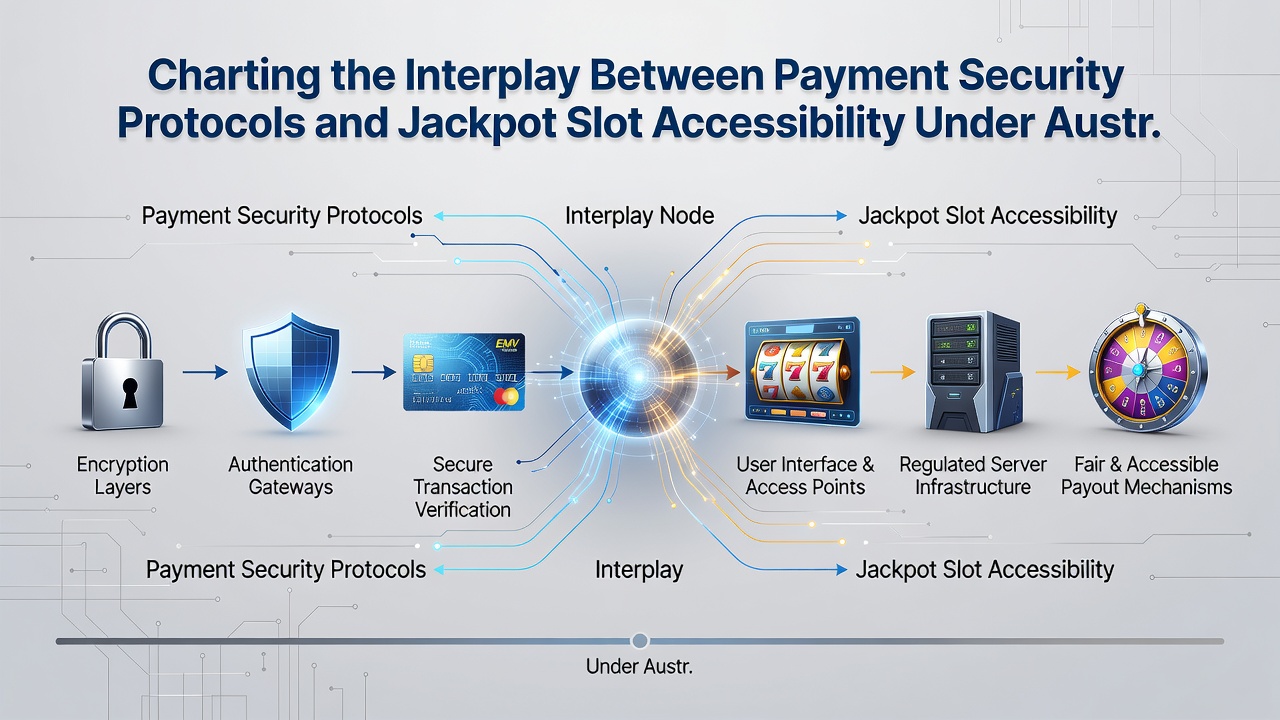
Take the case of one operator that integrated biometric authentication into its payment flow last year. Regulators approved the change after confirming that jackpot contributions remained traceable and secure, which led to expanded mobile access for several progressive titles. According to data compiled by the Austrian regulatory body, similar implementations across the sector have reduced average wait times for jackpot slot entry from 45 seconds to under 20 seconds when payments clear without flags.
Regulatory Updates and Their Practical Impact
Austria's evolving licensing rules now require operators to demonstrate that security protocols do not create unintended barriers to jackpot slot participation, and this balance is tested through simulated player journeys during licensing reviews. Experts have observed that rules effective in 2026 emphasize audit trails that link every payment to jackpot pool contributions, ensuring transparency without slowing user access. Those who've studied the updates note that platforms must submit quarterly reports showing both security incident rates and jackpot payout frequencies side by side.
Industry reports from sources outside Europe, including analyses by the Nevada Gaming Control Board on comparable security-access models, highlight how similar requirements elsewhere have maintained player engagement while strengthening fraud prevention. Austrian operators apply these lessons by mapping payment verification steps directly onto jackpot eligibility checks, which keeps the two systems synchronized under one license framework.
Conclusion
The connection between payment security protocols and jackpot slot accessibility under Austria's licensing rules rests on verifiable compliance data and scheduled updates through November 2026. Licensed platforms continue to adjust their systems so that stronger encryption and authentication support rather than restrict access to regulated jackpot content. Ongoing monitoring by the relevant authorities will determine how these elements evolve in the coming licensing cycles.